Published since 2019 by the Fair Winds Foundation and Association of Foreign Relations, Taiwan Weekly provides in-depth report and analysis of the major issues facing Taiwan.
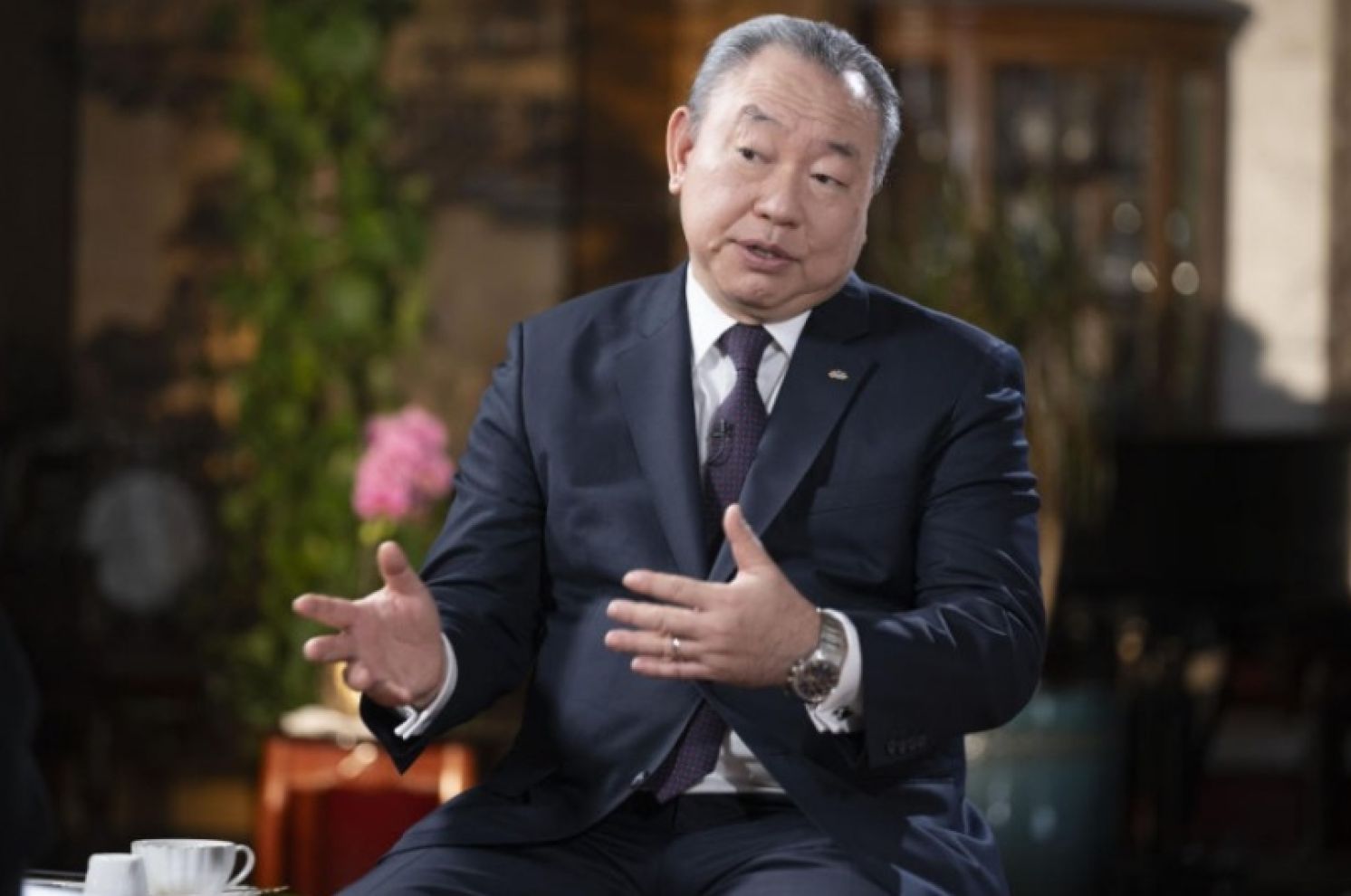
Perfect Storm for Ambassador Yui
Ambassador Alexander Yui, in charge of Taiwan’s foremost foreign mission as representative of the Taipei Economic and Cultural Representative Office in the United States, faced explosive revelations from subordinates within just half a year of assuming office.
Details
This Week in Taiwan 0623-0629
June 24: President Lai Ching-te delivered remarks responding to legislative reform legislation. He will submit the amendments passed by the Legislative Yuan to the Constitutional Court for judicial review and temporary measures. On the legislative document, President Lai noted concerns about the review process and that he will not deliver his state report in the Legislative Yuan until the judicial review is complete. Chairman Eric Chu of the Kuomintang (KMT) expressed deep regret and accused President Lai of waging war against democracy.
Details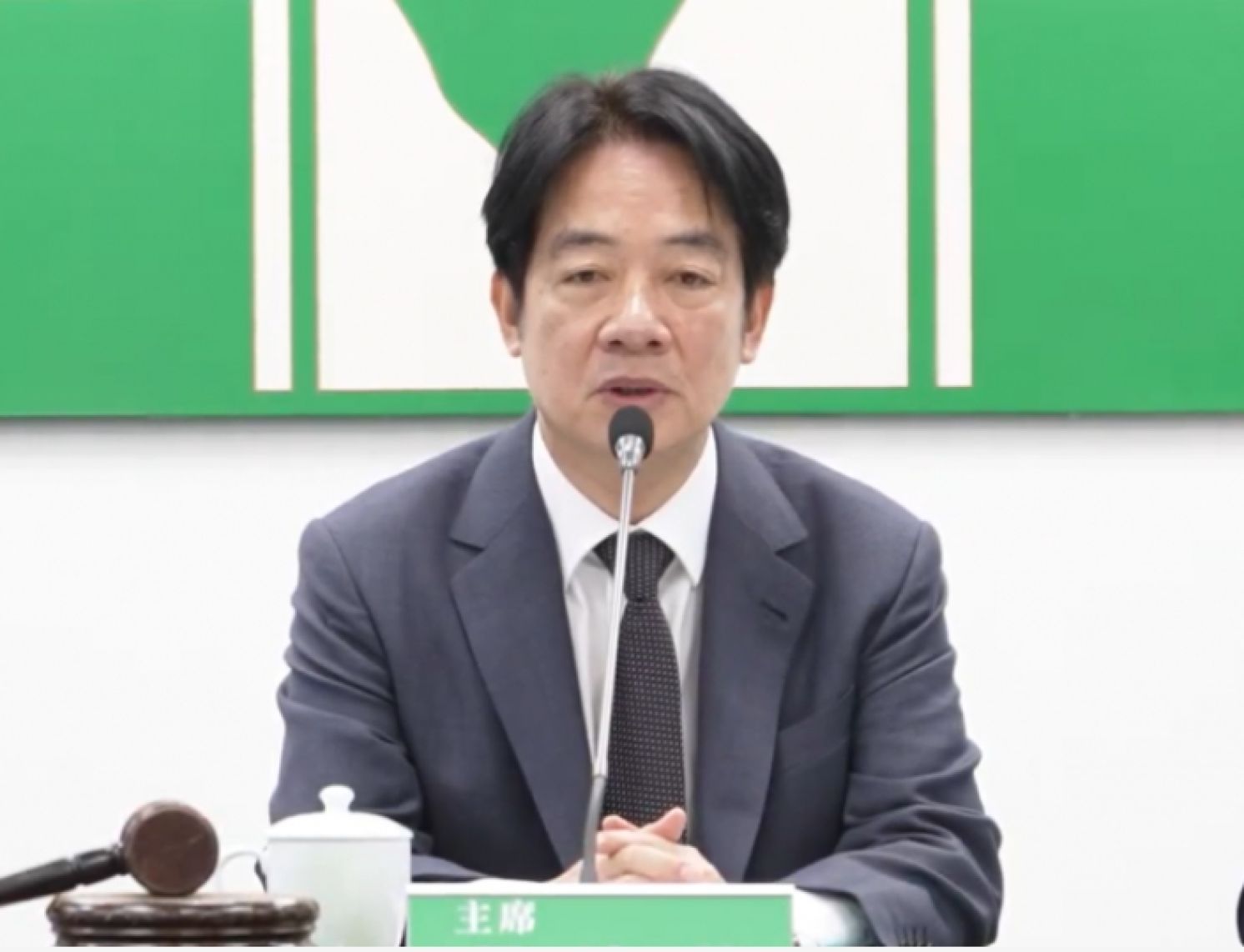
The President Who Instigates Democratic Civil War
Lai Ching-te is likely the first elected president who has disappointed people in less than a month of taking office.
Details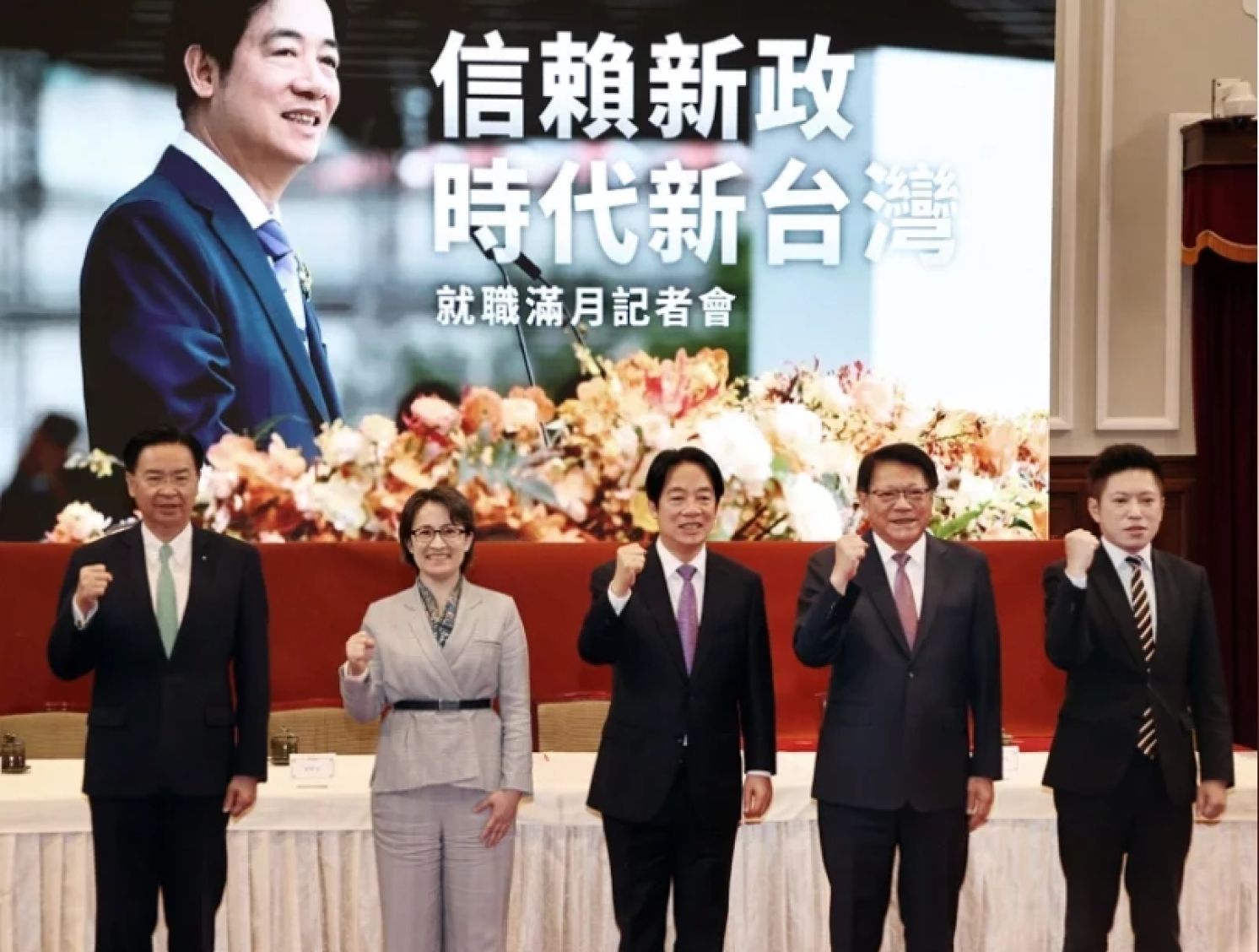
Mistresses Suppress the Queen:Three Committees Sideline the Premier
What President Lai Ching-te delivered in the first month of his inauguration was not a report card that satisfied the people, but a shock bomb that the mistress had overpowered the main palace and the premier out of favor.
Details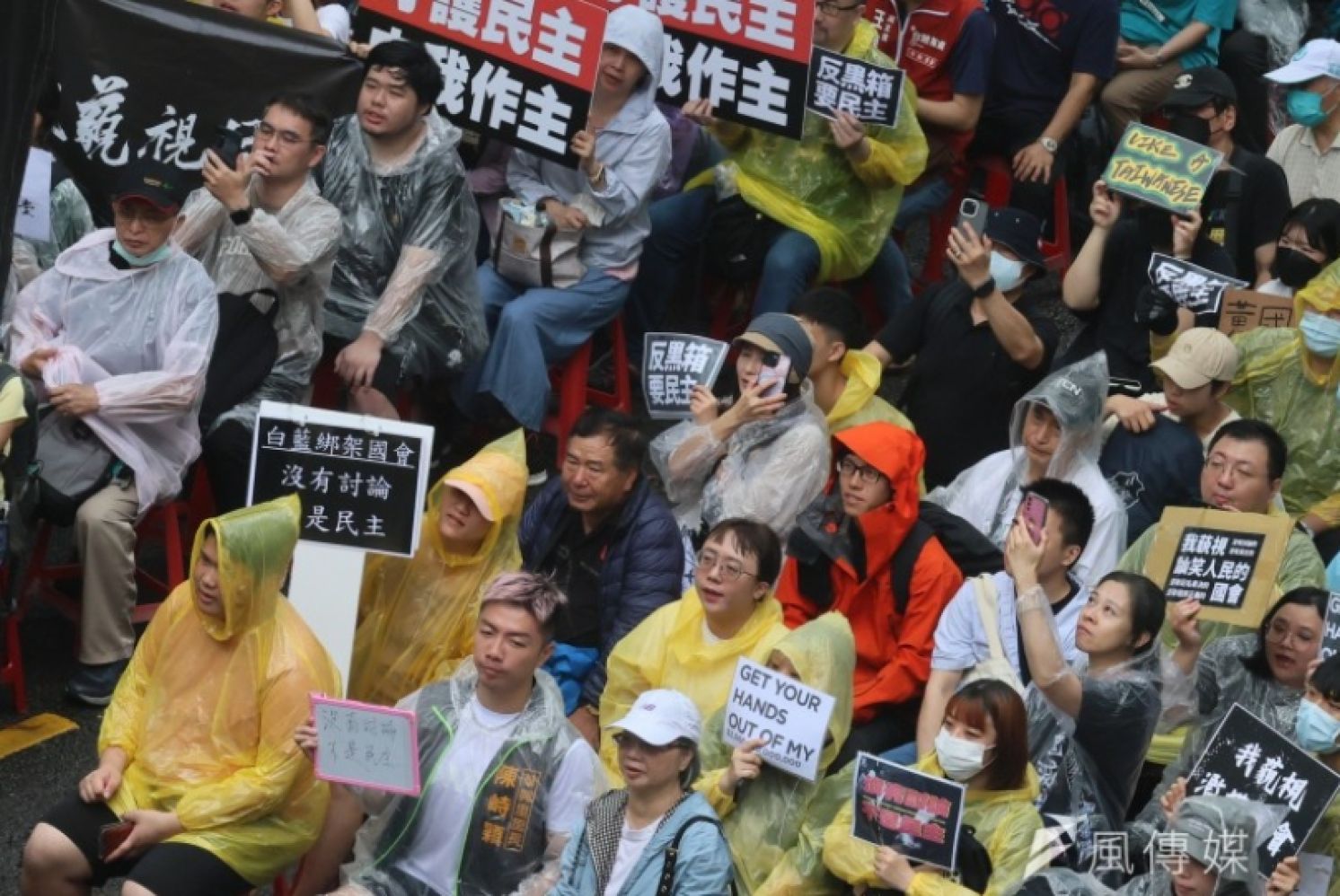
Operation Bluebird:Étude for Color Revolution?
In a turbulent world, waves of protests and demonstrations continue globally.
Details
This Week in Taiwan 0616-0622
June 16: According to sources cited by the Financial Times, during his meeting with President Ursula von der Leyen of the European Commission in April 2023, Chinese President Xi Jinping warned that the United States was attempting to provoke China into attacking Taiwan, but he would not fall for it. This marked the first time that Xi expressed this viewpoint to a foreign leader.
Details
Chinese Boat Speeds into Tamsui, Shattering President Lai's National Security Myth
During the Dragon Boat Festival long weekend, a mainland Chinese speedboat departed from Ningde in Fujian and sped directly to the Tamsui River estuary, crashing into Fisherman's Wharf.
Details
Shen-Style Surveillance:Rise of Extreme Right in Taiwan?
After the recent European Union parliamentary elections, where the far right made huge gains, unexpectedly, voices of "rightist adventurism" have emerged from Taiwan's ruling Democratic Progressive Party (DPP) as well.
Details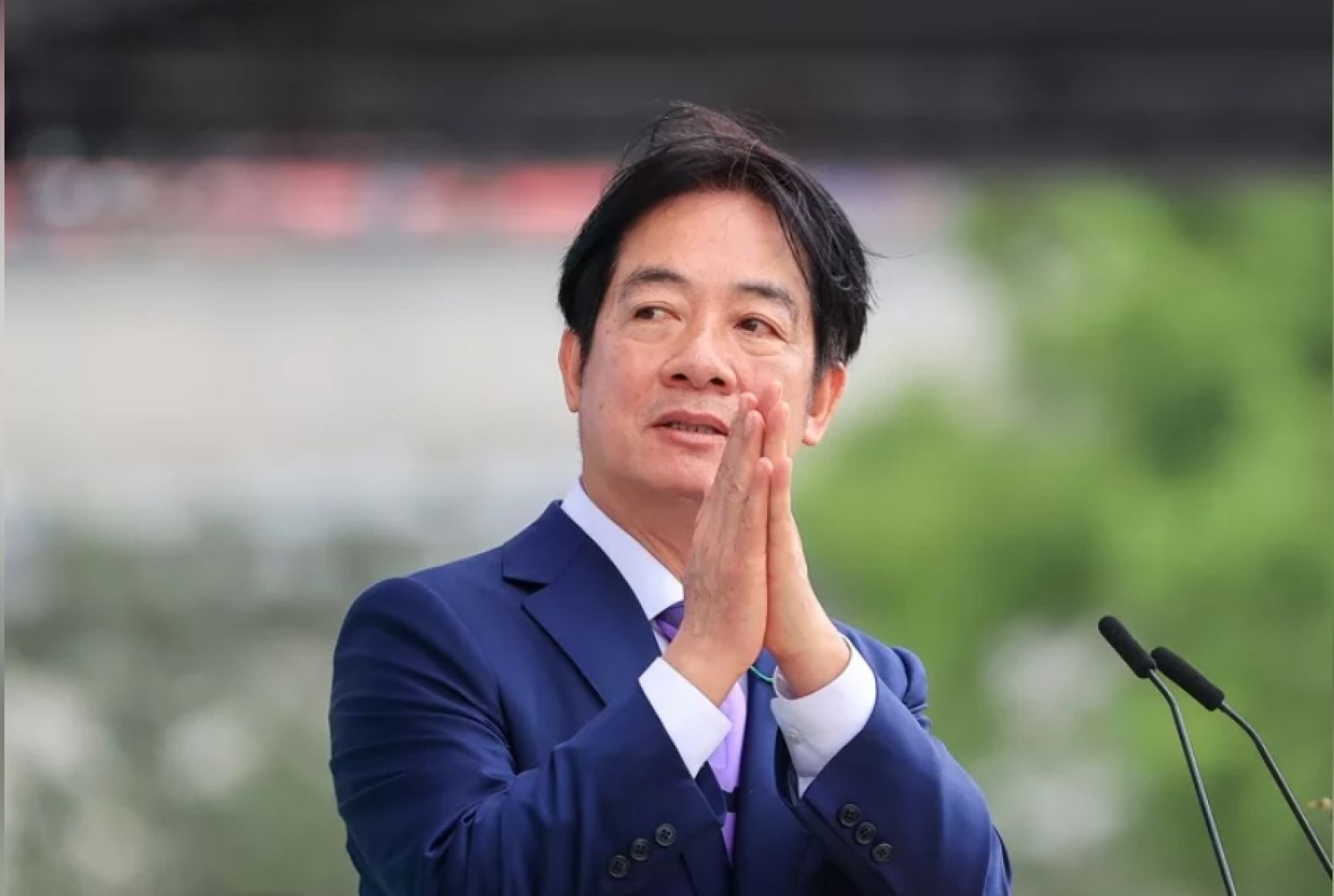
"Not Subordinate to Each Other" Based on Precondition and Framework:Lai Must Not Mislead
In his inaugural address, President Lai Ching-te stated that the Republic of China (ROC) and the People's Republic of China (PRC) are not subordinate to each other, triggering military exercises by Communist China.
Details
This Week in Taiwan 0609-0615
June 10: Emma Sky, former NATO advisor to Afghanistan, visited Taiwan and proposed the idea of a "peace game." She hopes that both sides of the Taiwan Strait can put more effort into peace simulations rather than focusing solely on military exercises. Despite the deterrence policy advocated by Taiwan and the United States, Sky believes that the emphasis on arms buildup is excessive, and deterrence goes beyond military means.
Details- 1
- 2
- 3
- 4
- 5
- 6
- 7
- 8
- 9
- 10
- 11
- 12
- 13
- 14
- 15
- 16
- 17
- 18
- 19
- 20
- 21
- 22
- 23
- 24
- 25
- 26
- 27
- 28
- 29
- 30
- 31
- 32
- 33
- 34
- 35
- 36
- 37
- 38
- 39
- 40
- 41
- 42
- 43
- 44
- 45
- 46
- 47
- 48
- 49
- 50
- 51
- 52
- 53
- 54
- 55
- 56
- 57
- 58
- 59
- 60
- 61
- 62
- 63
- 64
- 65
- 66
- 67
- 68
- 69
- 70
- 71
- 72
- 73
- 74
- 75
- 76
- 77
- 78
- 79
- 80
- 81
- 82
- 83
- 84
- 85
- 86
- 87
- 88
- 89
- 90
- 91
- 92
- 93
- 94
- 95
- 96
- 97
- 98
- 99
- 100
- 101
- 102
- 103
- 104
- 105
- 106
- 107
- 108
- 109
- 110
- 111
- 112
- 113
- 114
- 115
- 116
- 117
- 118
- 119
- 120
- 121
- 122
- 123
- 124
- 125