Published since 2019 by the Fair Winds Foundation and Association of Foreign Relations, Taiwan Weekly provides in-depth report and analysis of the major issues facing Taiwan.
October 27: On the eve of the presidential election in the United States, the Biden administration announced a new wave of arms sales to Taiwan. The Department of State approved the sale of two-long range air defense radars and an advanced surface-to-air missile system (NASAMS) to Taiwan, with a total value of approximately $1.9 billion. This marks the 17th arms sale to Taiwan by the Biden administration and the largest since President Joe Biden took office.
Details
On Retrocession Day observed on October 25, the Constitutional Court issued the ninth ruling of year 2024, declaring parts of the Legislative Yuan's "parliamentary reform" legislation unconstitutional—specifically its core provisions. This decision could render the Legislative Yuan one of the weakest parliaments in democratic nations. While the executive branch celebrates, the court’s credibility faces renewed scrutiny.
Details
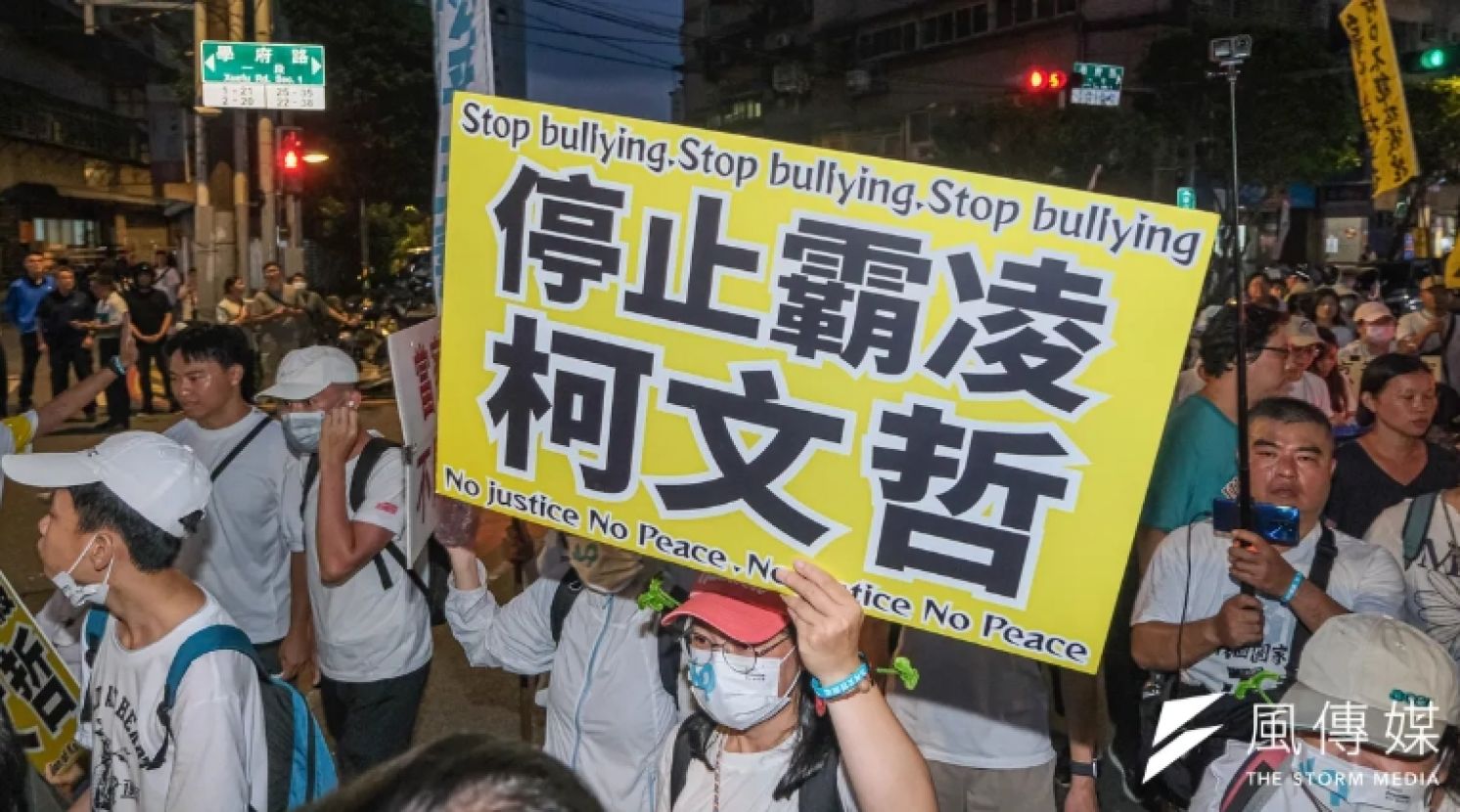
In ten days, Chairman Ko Wen-je of the Taiwan People’s Party (TPP) will be detained for two months. During these 50 days, the Taipei District Prosecutors Office has tried its best to prove that there is indeed a “cash flow” problem between the Core Pacific Group. Regrettably, apart from the unproven investigative information that is flying around, and the “cold wallet” that everyone laughed at, there is still no irrefutable evidence of “cash flow”. The prosecution conducted a large-scale interrogation of various “donors” who have made political contributions to Ko or the TPP. This only reinforces one question: What is the relationship between these people and the case of Living Mall? Is the prosecution investigating Ko’s abuse of public power for private profit? Or is it a bribery allegation or just a political donation case?
Details
South Africa’s demand that Taiwan relocate the Taipei Liaison Office from the capital city of Pretoria within six months has posed a significant challenge to bilateral relations. Such a request reflects South Africa government’s leaning toward the “One China” policy, suggesting that Taiwan’s diplomatic space is becoming increasingly constrained. Broadly speaking, the deterioration of cross-strait relations is indeed impacting Taiwan’s diplomacy, leading to heightened international isolation and forcing Taiwan to adopt more flexible and innovative approaches.
Details
October 20: During his inspection tour in Anhui Province on April 17, Chinese President XI Jinping visited a Rocket Force base. According to Hong Kong media, it was likely the 611 Brigade of the Rocket Force's 61st Base, which covers the Taiwan Strait. It is possible that Xi inspected the new Dongfeng-26 ballistic missile. The Dongfeng-26 is the world's largest medium-and long-range anti-ship ballistic missile in active service, with a range of 5,000 kilometers, covering the American military base in Guam. The Singapore United Morning Most analyzed that Xi's intention was to target the United States and deter Taiwan independence.
Details
The anticipated People’s Liberation Army (PLA) "Joint Sword-2024B" military exercise took place as scheduled but concluded unexpectedly within a single day. This signals a political message to the United States, the administration of President Lai Ching-te, and the people of Taiwan, which has been widely interpreted. This article focuses on the military strategic implications.
Details
A high school "Youth Service Consent Form" has stirred up significant concerns, which the Democratic Progressive Party (DPP) administration likely did not anticipate. Despite the Ministry of Education (MOE) announcing on October 17 that the consent form would no longer be used, and that it would adjust the "Youth Service Mobilization Preparation Classification Plan," the mobilization for war and the panic over "student deployment" continues to spread in society.
Details
Minister of Economic Affairs J.W. Kuo's statement that "We should build green power plants in the Philippines and transfer the electricity back to Taiwan" has sparked public outrage. Although Minister Kuo has apologized, he did not retract the idea. The Executive Yuan further stated that countries in the region with similar goals could collaborate on carbon reduction, confirming that the proposal to develop energy in the Philippines is not just a personal notion of Minister Kuo’s but a strategic direction that the government is considering.
Details
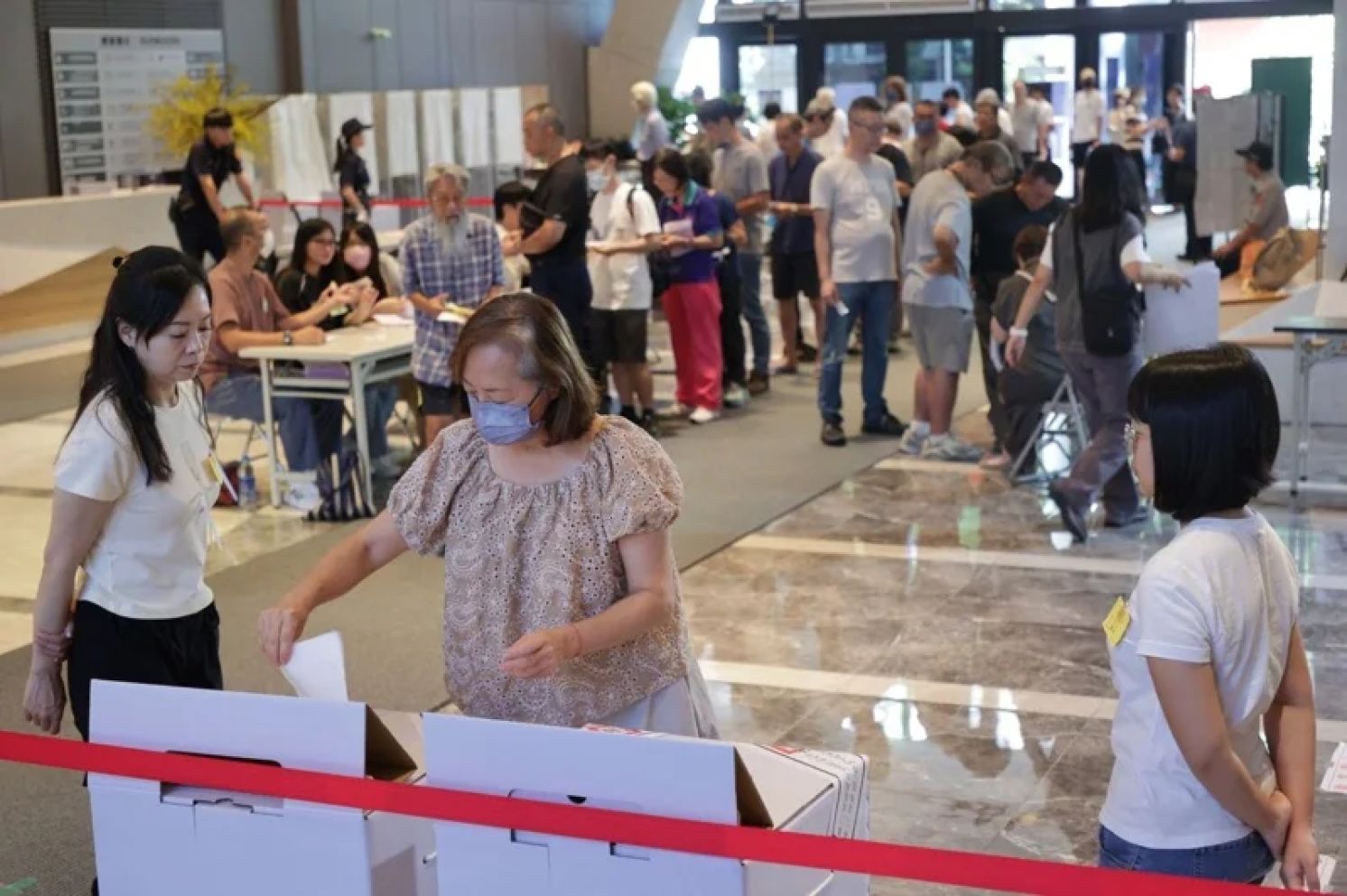
October 13: The recall vote for Keelung Mayor Hsieh Kuo-liang resulted in 86,014 votes (55.1 percent) against and 69,934 votes (44.8 percent) in favor, so the recall was not passed. This case is seen as a prelude to the Democratic Progressive Party's (DPP) large-scale recall campaign against opposition legislators next year. To prevent malicious political manipulation of recalls, the opposition party plans to push for amendments to the law to raise the recall threshold.
Details
The National Day of the Republic of China (Taiwan) on October 10 passed without major incident, marked by President Lai Ching-te's address, which adhered to the familiar new “Two State theory." Under apparent pressure from the United States, President Lai refrained from provocative statements, achieving a balance that left the United States satisfied, Taiwan stable, and mainland China unalarmed. How President Lai's speech is interpreted is critical for future cross-strait relations.
Details