Published since 2019 by the Fair Winds Foundation and Association of Foreign Relations, Taiwan Weekly provides in-depth report and analysis of the major issues facing Taiwan.

This Week in Taiwan 1114-1120
November 15: The Central Epidemic Command Center (CECC) stated that people who have received two doses of Medigen vaccines but who need to travel to the United States may mix and match with internationally certified AstraZeneca, Moderna, or BioNtech vaccines. Mayor Ko Wen-je of Taipei criticized bluntly that receiving the Medigen vaccine is for nothing, and subsequently receiving foreign vaccines is called "re-inoculation," since Medigen is not accepted internationally, not "mix-and-match."
Details
NTHU Cross-Strait Research Institute Fined
The alumni association of Taiwan's National Tsinghua University (NTHU), municipal government of Xiamen, Fujian Province, and Tsinghua University in Beijing jointly established a "Cross-Strait Tsinghua Research Institute."
Details
When Exchanges Become Infiltration:DPP's China-Phobic Syndrome
It is reported that the Mainland Affairs Council which handles cross-strait matters informed the Ministry of Education that mainland China had established an office at the National Tsing Hua University in Hsinchu to recruit talent.
Details
The Double-Standard Democratic Progressive Party
Power corrupts and makes a man arrogant. Since when was the ruling Democratic Progressive Party (DPP) in Taiwan corrupted?
Details
This Week in Taiwan 1107-1113
November 9: The Taiwan Semiconductor Manufacturing Company will set up a 7-nanometer and 28-nm fabrication plants in Kaohsiung. The current plan is to begin construction in 2022 at the old side of the Kaohsiung oil refinery plant of the Taiwan CPC Corporation and commence mass production by 2024.
Details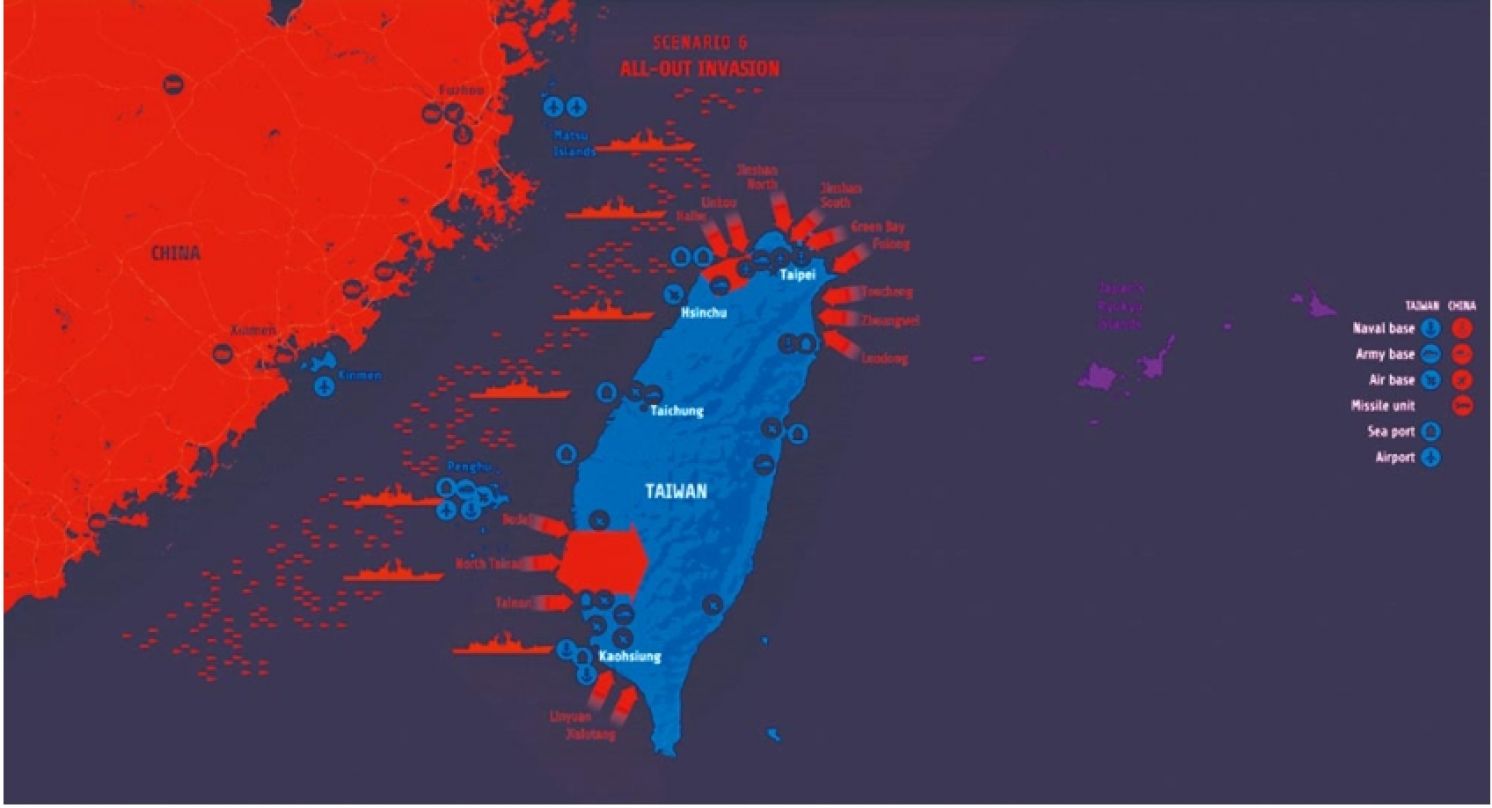
Reuters:Six Conflict Scenarios Battling for Taiwan
On November 5, Reuters issued a special report titled: “T-Day: The Battle for Taiwan.”
Details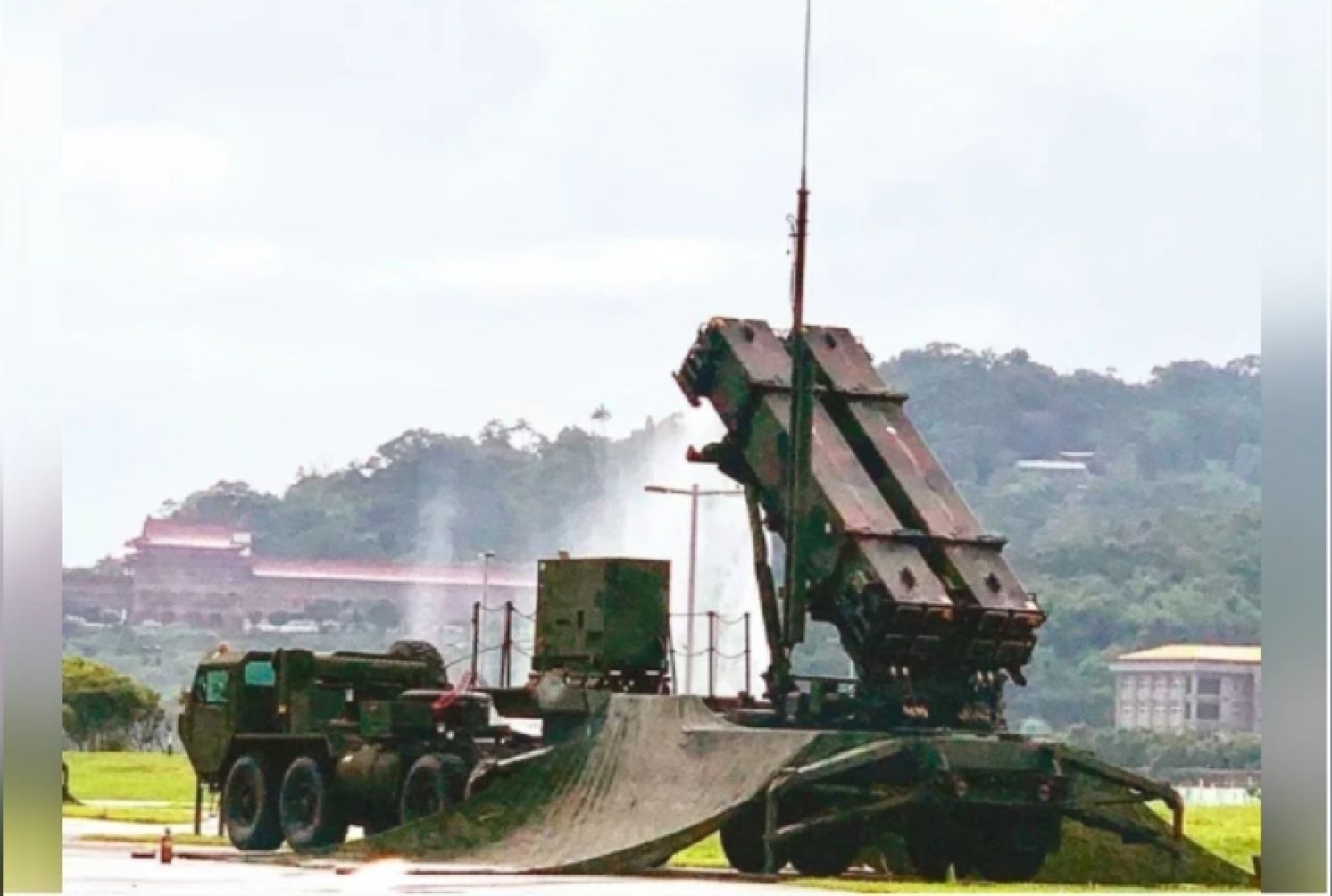
Why 2027 Will Be a Critical Year for Taiwan and China
Just as the United States Department of Defense released its new "China Military Power Report" warning that China will force Taiwan to talks in 2027, Republican senators introduced a Taiwan Deterrence Act.
Details
When the Democratic Progressive Party is No Longer Democratic
The ruling Democratic Progressive Party (DPP) just promulgated special regulations for the nomination of city mayors and county magistrates in the 2022 election.
Details
This Week in Taiwan 1031-1106
November 1: The Central Epidemic Command Center (CECC) announced that in response to the number of people returning to Taiwan for Chinese New Year, quarantine policies will be relaxed starting December 14. Those entering from non-key high-risk countries may shorten the quarantine period to 10 days in a hotel, followed by four days at home. Returning travelers must test three times before completing the quarantine process.
Details
In CNN Interview, President Tsai Confirms U.S. Military Personnel Present in Taiwan
The recently published "2021 Chinese Military Power Report" by Ministry of National Defense clearly indicated that "Foreign military force stations in Taiwan" is one of the seven possible timings for China to invade Taiwan by force.
Details- 1
- 2
- 3
- 4
- 5
- 6
- 7
- 8
- 9
- 10
- 11
- 12
- 13
- 14
- 15
- 16
- 17
- 18
- 19
- 20
- 21
- 22
- 23
- 24
- 25
- 26
- 27
- 28
- 29
- 30
- 31
- 32
- 33
- 34
- 35
- 36
- 37
- 38
- 39
- 40
- 41
- 42
- 43
- 44
- 45
- 46
- 47
- 48
- 49
- 50
- 51
- 52
- 53
- 54
- 55
- 56
- 57
- 58
- 59
- 60
- 61
- 62
- 63
- 64
- 65
- 66
- 67
- 68
- 69
- 70
- 71
- 72
- 73
- 74
- 75
- 76
- 77
- 78
- 79
- 80
- 81
- 82
- 83
- 84
- 85
- 86
- 87
- 88
- 89
- 90
- 91
- 92
- 93
- 94
- 95
- 96
- 97
- 98
- 99
- 100
- 101
- 102
- 103
- 104
- 105
- 106
- 107
- 108
- 109
- 110
- 111
- 112
- 113
- 114
- 115
- 116
- 117
- 118
- 119
- 120
- 121
- 122
- 123
- 124