Published since 2019 by the Fair Winds Foundation and Association of Foreign Relations, Taiwan Weekly provides in-depth report and analysis of the major issues facing Taiwan.

Party, Government, and Media Monopolized by the DPP
Recently, President Tsai Ing-wen asked its members to take actions to disprove the saying that "full governance leads to corruption" at the ruling Democratic Progressive Party's (DPP) National Congress.
Details
Taiwan Must Not Become a Pawn in U.S.-China Confrontation
U.S.-China relations, starting from the trade war in 2018, has been all the way spirally sliced down.
Details
This Week in Taiwan 0802-0809
August 3: Office of the President Secretary-General Su Jia-chyuan was allowed to resign post because his nephew, Democratic Progressive Party (DPP) Legislator Su Chen-ching, became involved in a corruption scandal. Straits Exchange Foundation Chairman David Lee will succeed as secretary-general to the president. President Tsai Ing-wen also warned her administration that those who wish to make a fortune should take other roads. Political power must not be used for personal gain, which would only destroy the people's trust in the administration.
Details
Lee Teng-hui Passes Away on July 30, Leaving Complicated Legacy
Former President Lee Teng-hui of the Republic of China (Taiwan) passed away on July 30, at the age of 98.
Details
Lee Teng-hui's Glory and Darkness: Taiwan's Unbearable Turning Point
As the leader of Taiwan's transition from an authoritarian country to a democracy, former President Lee Teng-hui won the nice title of "Mr. Democracy".
Details
Mr. Democracy or Machiavellian of Power Struggles
The passing of late former President Lee Teng-hui triggered a litany of articles on his life and achievements in the media, especially profusely acclaiming his contribution to Taiwan's democracy, and even dubbing him "Mr. Democracy" in memory of him for leading Taiwan's transformation to democracy.
Details
Suffering from Balance of Terror, PTS Might Become External Propaganda Machine
In order to determine whether the Public Television Service (PTS) should set up an "International Channel" at the request of the Ministry of Culture (MOC), the PTS's provisional board of directors went through a fierce fight.
Details
This Week in Taiwan 0726-0801
July 29: The Ministry of Culture commissioned the Public Television Service (PTS) to set up an international multimedia platform, triggering controversy over the government interfering PTS operations. The Ministry of Culture announced that it would terminate its four-year NT$5.8 billion (about US$197 million) tender and seek alternative options.
Details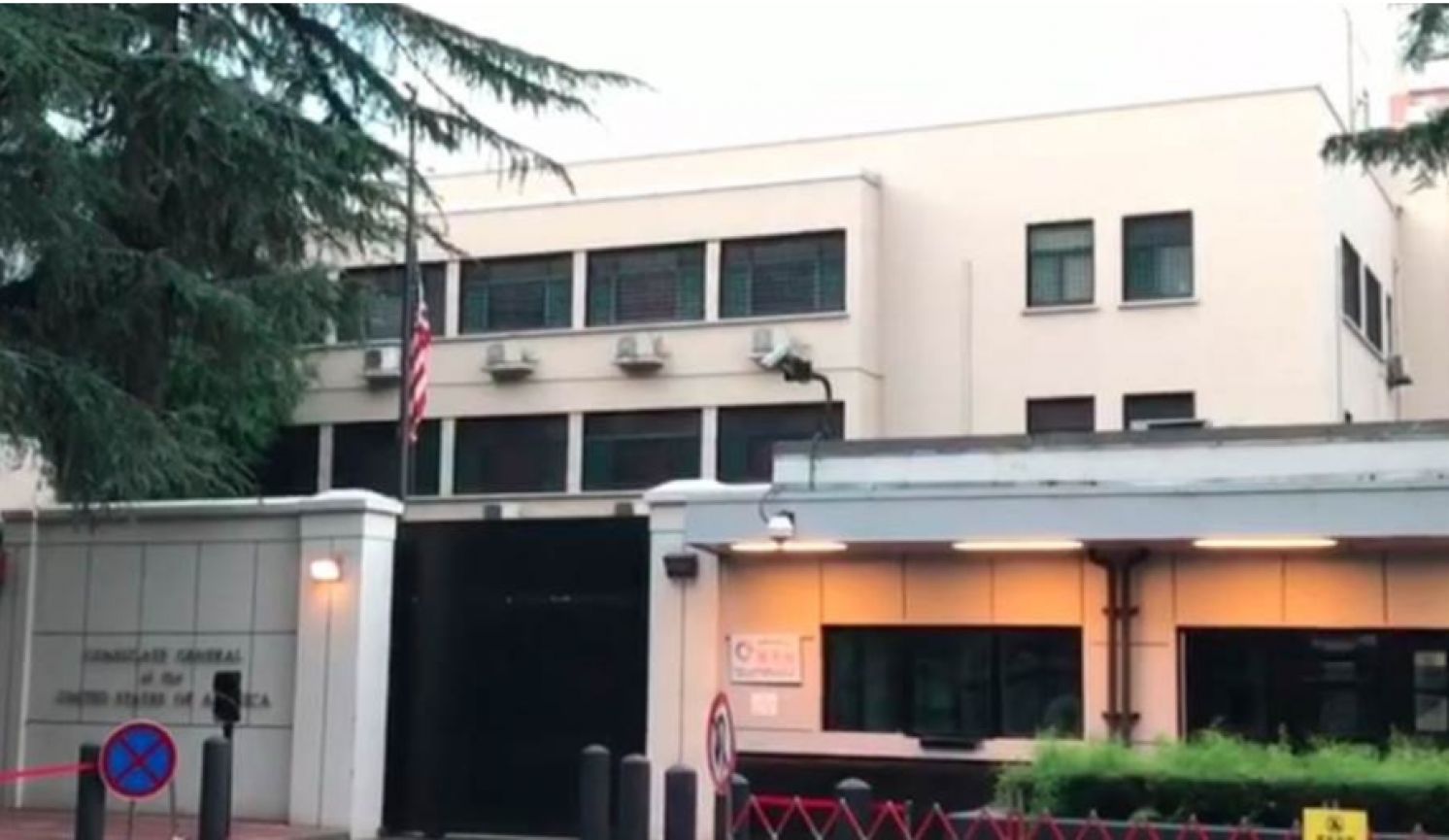
Consulates Shut Down as U.S.-China Relations Deteriorate
On July 21, the United States announced without warning that the Chinese Consulate General in Houston would be closing within 72 hours.
Details
Will U.S.-China Relations Deteriorate Beyond No Return?
Recently, the United States ordered the closure of the Chinese Consulate General in Houston, a decision that sparked diplomatic conflict between the two countries.
Details- 1
- 2
- 3
- 4
- 5
- 6
- 7
- 8
- 9
- 10
- 11
- 12
- 13
- 14
- 15
- 16
- 17
- 18
- 19
- 20
- 21
- 22
- 23
- 24
- 25
- 26
- 27
- 28
- 29
- 30
- 31
- 32
- 33
- 34
- 35
- 36
- 37
- 38
- 39
- 40
- 41
- 42
- 43
- 44
- 45
- 46
- 47
- 48
- 49
- 50
- 51
- 52
- 53
- 54
- 55
- 56
- 57
- 58
- 59
- 60
- 61
- 62
- 63
- 64
- 65
- 66
- 67
- 68
- 69
- 70
- 71
- 72
- 73
- 74
- 75
- 76
- 77
- 78
- 79
- 80
- 81
- 82
- 83
- 84
- 85
- 86
- 87
- 88
- 89
- 90
- 91
- 92
- 93
- 94
- 95
- 96
- 97
- 98
- 99
- 100
- 101
- 102
- 103
- 104
- 105
- 106
- 107
- 108
- 109
- 110
- 111
- 112
- 113
- 114
- 115
- 116
- 117
- 118
- 119
- 120
- 121
- 122
- 123
- 124
- 125