TSMC Increases U.S. Investment While Deepening Taiwan Presence
United Daily News Report, July 17, 2026
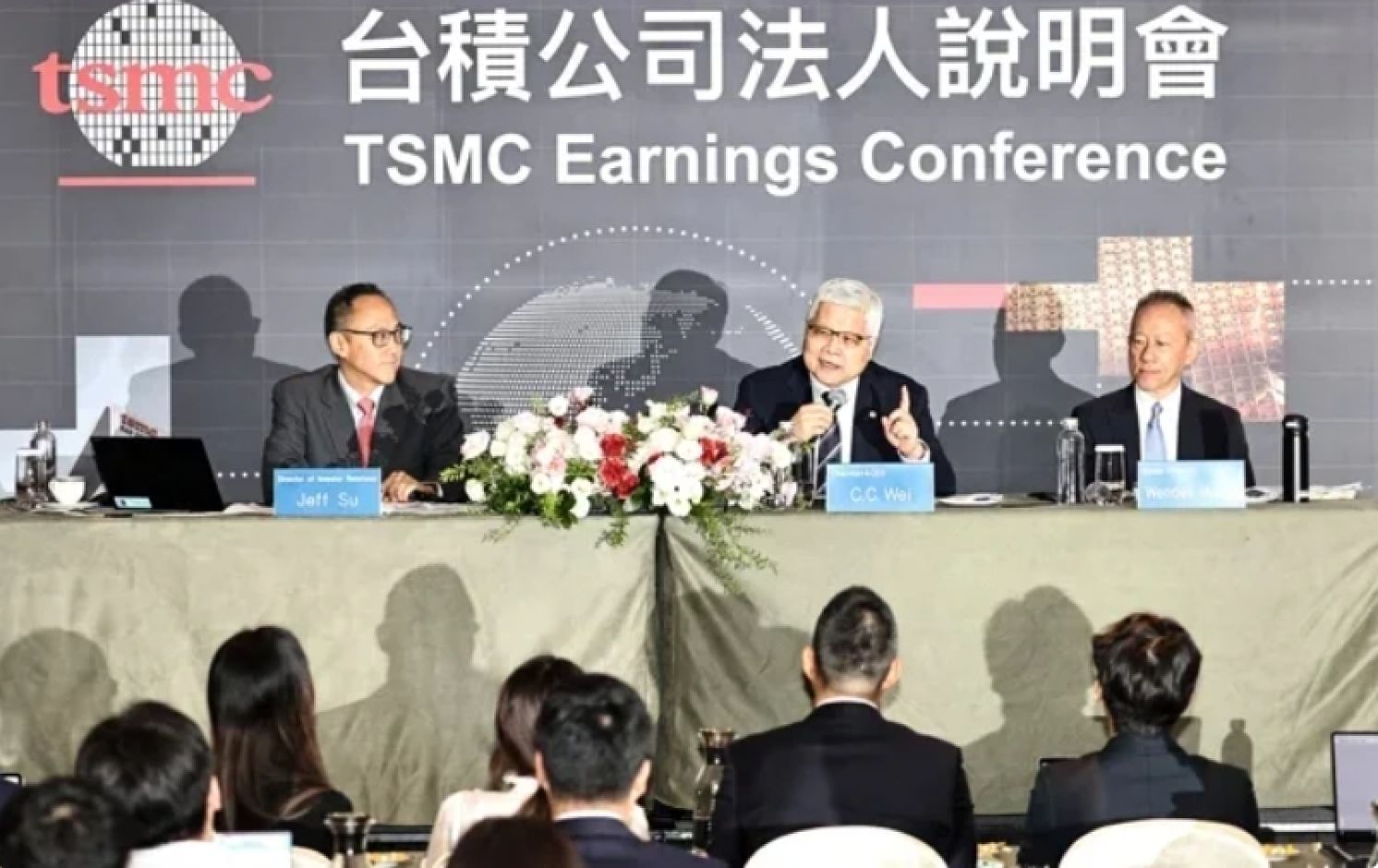
Chairman C.C. Wei of the Taiwan Semiconductor Manufacturing Company (TSMC) announced on July 16 an additional $100 billion investment in the United States. The timing of the announcement carries three significant implications: fulfilling commitments to customers, easing pressure from the U.S. government, and encouraging the semiconductor supply chain to accelerate its investment and expansion in the United States. From a regional perspective, however, TSMC's primary focus remains Taiwan. Over the next five years, the company plans to build more than 25 new fabs in Taiwan, ensuring that the country's position in the global semiconductor industry continues to strengthen and making Taiwan an increasingly important partner sought by the United States, Japan, and South Korea.
Although TSMC has not specified when the additional U.S. investment will be realized, the company's culture places great emphasis on honoring commitments. Having announced the plan, TSMC is expected to follow through regardless of whether Donald Trump's presidential term has ended.
Chairman Wei's decision to announce the expanded investment at this time stems primarily from TSMC's substantial order backlog and the continued evolution of artificial intelligence from infrastructure development to edge AI applications. After repeatedly revising and confirming future customer demand through detailed planning, TSMC concluded that its U.S. production capacity plans needed to be expanded accordingly, including manufacturing capacity for sub-2-nanometer processes and the economic scale necessary for advanced packaging.
Another consideration is the upcoming U.S. midterm elections in November. As President Donald Trump seeks to bolster Republican electoral prospects while delivering on his pledge to increase domestic semiconductor manufacturing, pressure on TSMC to expand its U.S. investment has intensified. By announcing the additional investment at this moment, TSMC can secure goodwill from the White House while Washington is still awaiting decisions from Samsung and SK Hynix on whether to significantly expand their own U.S. investments. The move also places competitive pressure on rival companies by forcing them to consider extending their own operations in the United States.
Furthermore, TSMC's expanded U.S. investment is expected to trigger a broader wave of supply chain investment in America. Several Taiwanese companies have already announced U.S. expansion plans, and many more are expected to follow.
At the same time that he announced increased investment in the United States, Chairman Wei—well aware of both geopolitical dynamics and Taiwan's domestic political environment—also emphasized that TSMC would continue expanding investment in Taiwan. In addition to the more than 10 fabs already under construction, the company plans to build at least 13 additional fabs over the next five years. According to sources within TSMC's supply chain, the company's total plan could reach 25 new fabs in Taiwan during that period, including facilities in Kaohsiung's Qiaotou area, Tainan's designated development zone, Chiayi Phase II, and even a return to Longtan Science Park. Land planning has reportedly already been finalized by the relevant park administrations.
Under this plan, Taiwan will remain the world's principal manufacturing hub for advanced logic processes and advanced packaging. TSMC has already completed key research and development milestones for technologies ranging from the 2-nanometer process to 1.4 nanometer, 1 nanometer, and eventually 0.7 nanometer. Combined with its globally leading advanced packaging technologies, including CoPoS and COUPE, TSMC is expected to remain the first foundry capable of offering these cutting-edge manufacturing services. With its technological leadership intact, Samsung, SK Hynix, Micron, as well as semiconductor equipment and materials suppliers from the United States, Japan, and South Korea, will all compete to strengthen partnerships with TSMC. In this global semiconductor race led by TSMC, the company is expected to remain the winner while securing greater international influence and strategic leverage for Taiwan.