Misled by U.S.-Taiwan Trade Agreement: How Could Public Opinion Unconditionally Support Arms Purchases?
United Daily News Commentary, April 29, 2026
The easing of quarantine standards for imported potatoes under the U.S.-Taiwan Agreement on Reciprocal Trade (ART) shocked the public. On April 28, it was further revealed that American peanuts would enter Taiwan with zero tariffs and exemption from Special Safeguard Measures (SSG), impacting farmers’ livelihoods. Whether inspection standards for American pork and beef will also be “adjusted” has drawn increasing attention. The Democratic Progressive Party (DPP) administration’s negotiation with the United States has been opaque, and now it appears to have made concession after concession. Should the Taiwanese people still unconditionally support a special arms procurement budget of NT$1.25 trillion (about US$40 billion) over eight years?
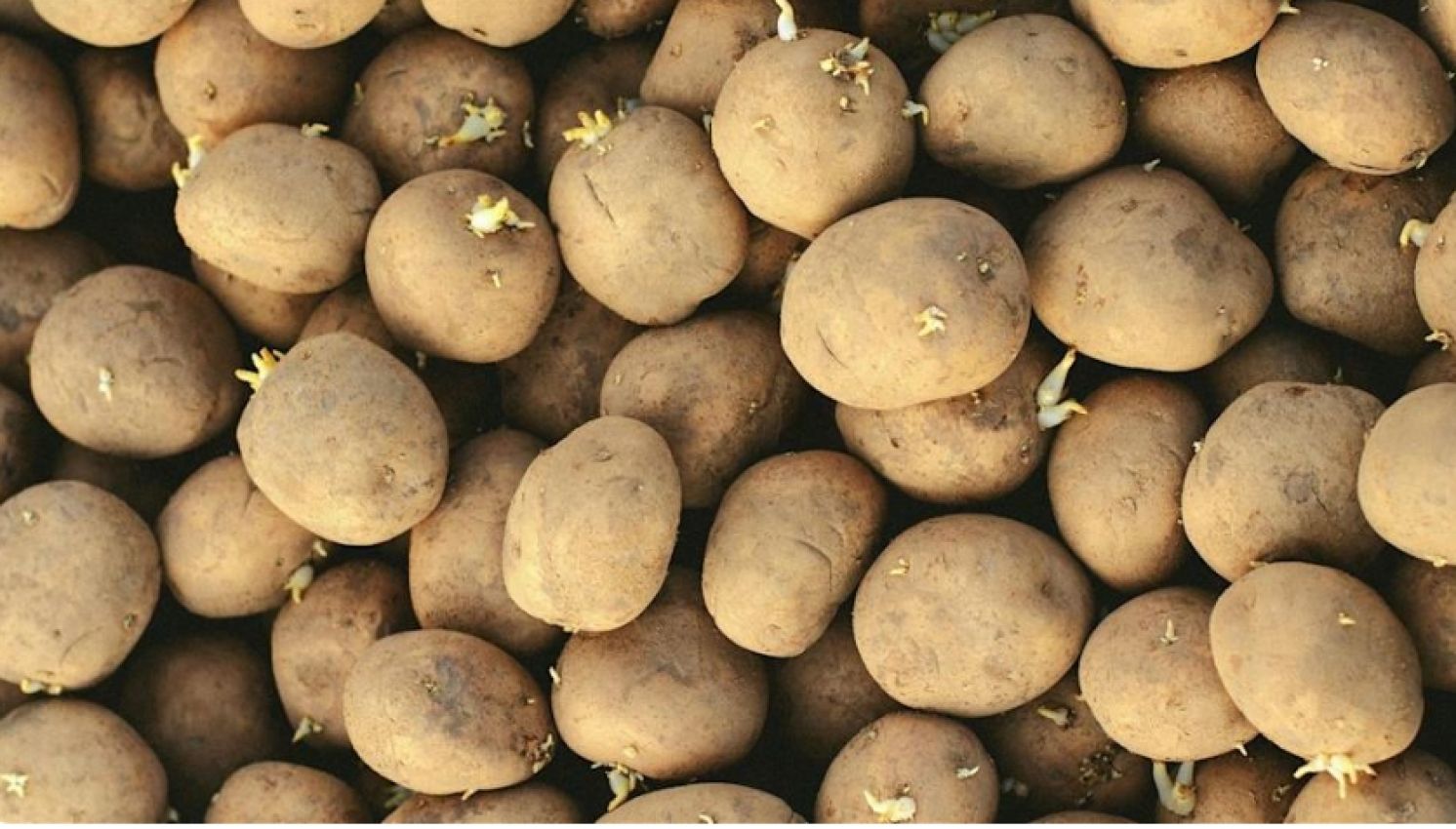
Taiwan imports about 500 million potatoes annually, with as much as 90 percent coming from the United States. In the past, if even one sprouted potato was found in a sampled container, the entire cargo container would be returned. However, under the ART, quarantine standards have been relaxed from returning an entire cargo container to removing a single item.
The government made this possible “concession,” which may compromise food safety, without a word. When Kuomintang (KMT) Legislator Wang Hung-wei and others raised questions, Premier Cho Jung-tai still confidently claimed in the legislature that strict inspections would be enforced, even stating that “each container will be fully inspected, and every single item will be checked.”
Considering labor costs and border inspection efficiency, the premier’s proposal of “item-by-item inspection” is simply unrealistic. But the real issue is that while governments in Japan and South Korea appropriately disclose information about negotiations with the United States, the DPP administration remains evasive. President Lai Ching-te even claimed that both sides had signed confidentiality clauses. It turns out the party being kept in the dark is Taiwan’s public.
Taiwan’s concessions under the ART go beyond this. According to the U.S. National Trade Estimate Report on Foreign Trade Barriers (NTE) released this year, Taiwan has also committed to easing import restrictions on American peanuts, including zero tariffs and exemption from Special Safeguard Measures. With American shelled peanuts priced at only NT$47 (about US$1.49) per kilogram—less than half the price of domestic peanuts—the Ministry of Agriculture estimates that 20 to 30 percent of peanut farmers will be affected and may need to transition to other crops.
In the past, to protect domestic industries, Taiwan negotiated peanut import quotas with WTO members. Imports within the quota were subject to a 25 percent tariff, while those exceeding the quota faced higher tariffs. If SSG was triggered, then additional duties applied. Imported peanuts also required a NT$34 (about US$1.08) per kilogram fee to support the Agricultural Security Fund. Now, not only are American peanuts granted zero tariffs and no quota restrictions, but the result will be a surge of U.S. imports, and reduced revenue for the Agricultural Security Fund will affect future agricultural assistance.
The government should have known that concessions in agriculture could lead to the “destruction of farming.” If it had appropriately disclosed information during negotiations and leveraged domestic public opinion as a bargaining chip, then it might have mitigated American pressure. Past rice import quota limits were achieved through such public pressure. Even if the negotiation process must remain confidential, once agreements are signed, affected local governments and farmers should be promptly informed to prepare. Delaying until opposition parties raise concerns before offering response measures only deepens public distrust.
The DPP administration has proposed a special arms procurement bill totaling NT$1.25 trillion over eight years. Both the KMT and Taiwan People’s Party (TPP) have already pledged to support defense budgets as long as there is a U.S. Letter of Offer and Acceptance and clear information from the Ministry of National Defense. They have even suggested figures around NT$800 billion, far exceeding the KMT’s initial “NT$380 billion (about US$12.1 billion) + N” and the TPP’s NT$410 billion (about US$13 billion) proposals. Yet Premier Cho Jung-tai and Minister of National Defense Wellington Koo insist on NT$1.25 trillion.
Given the massive scale and long duration of NT$1.25 trillion over eight years, legislators naturally have the responsibility to rigorously scrutinize it. However, the ruling party uses a simplistic binary framing, treating whether one fully accepts the government’s arms procurement budget as a test of “commitment to defending the nation” and “loyalty.” This is purely political calculation.
Taiwan’s national defense should not be built on a “massive blank check.” A defense budget lacking transparency and unwilling to accept legislative oversight cannot win public support. Especially when the DPP administration continues to make trade concessions to the United States, leading to food safety risks and tangible harm to farmers—forcing people to worry about the safety of what they eat and compelling farmers to change their livelihoods due to low-priced imports—why should the Taiwanese people still unconditionally support the DPP administration’s special defense budget?