Ma Ying-jeou Foundation Turmoil May Fracture KMT
United Daily News Editorial, May 20, 2026
Former President Ma Ying-jeou has accused former executive directors of the Ma Ying-jeou Foundation of embezzling public funds, while the other side has insinuated that the former president is suffering from dementia. The controversy has continued to escalate.
Former first lady Christine Chow and elder sister Ma Yi-nan issued statements directly addressing Ma’s medical needs and care situation, while the former president quickly responded with a statement of rebuttal. A three-member investigative panel later declared that it could not prove that former foundation executive directors Hsiao Hsu-tsen and Wang Kuang-tzu had indeed violated financial discipline. Ma’s office immediately counterattacked by holding a press conference to publicly present evidence and announced that it would pursue legal action. Both sides subsequently continued exchanging accusations with increasing intensity, sending the situation into a spiraling escalation. This can hardly be described merely as “causing pain to loved ones while delighting enemies.”
The financial discipline and sense of justice that the former president demands remain trapped in a Rashomon-like dispute after repeated rounds of confrontation between both sides. Yet as the conflict unfolds, Ma’s lifelong image of integrity, kindness, and decency has already suffered severe damage. The close family bonds within the Ma family also appear to be developing fractures, while infighting within the blue camp has become increasingly ruthless. One cannot help but lament that this is a war destined to produce no winners.
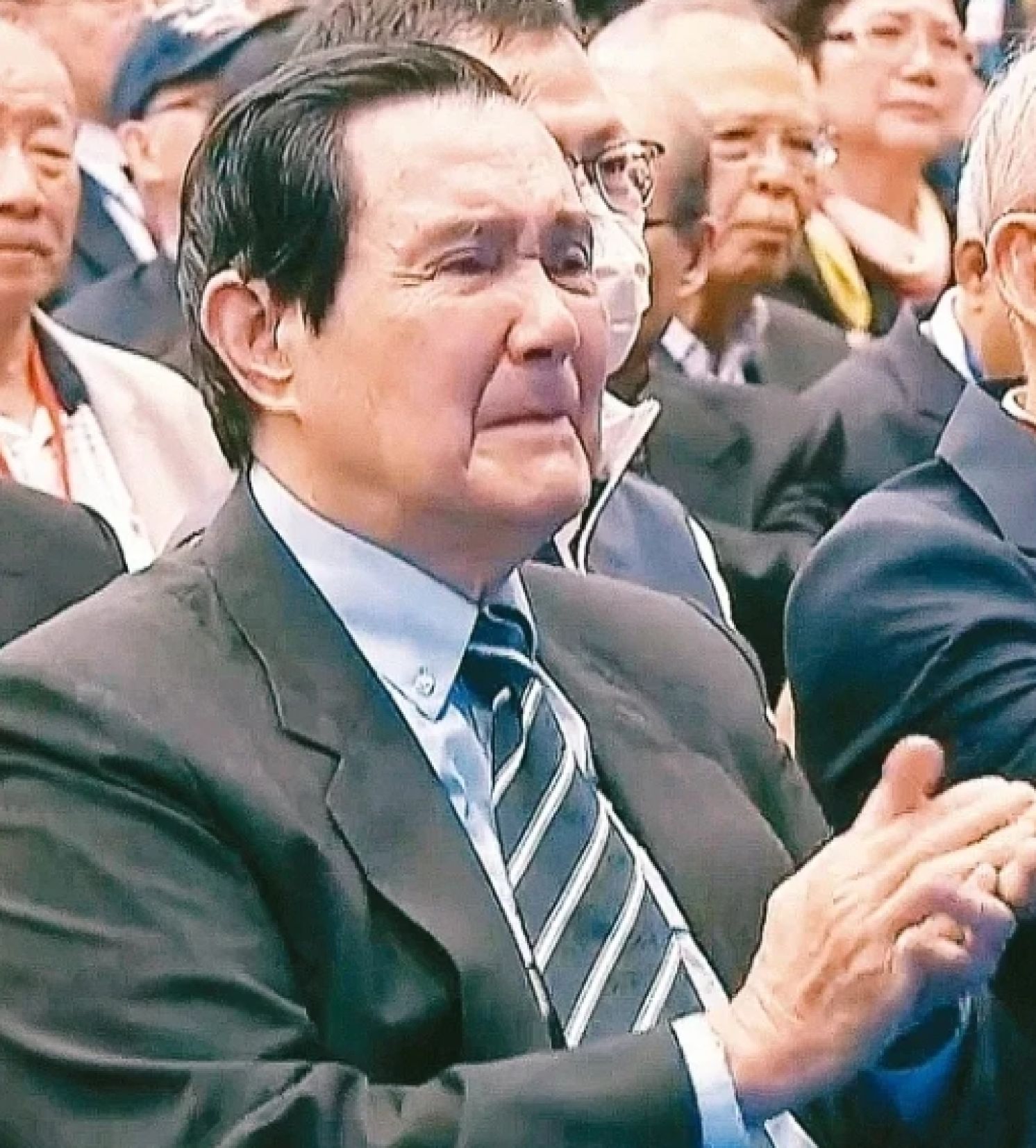
As the Ma Ying-jeou Foundation controversy expanded, many had originally hoped that the statements issued by family members would help calm tensions. Instead, Ma soon afterward, accompanied by King Pu-tsung, former secretary-general of the National Security Council, recorded a video and wrote a statement rebutting his wife and sister while angrily criticizing former aides. Those familiar with the former president were astonished. However, according to footage released by Ma’s office, Ma also appeared to forget commonly used idioms and at times paused after conversing with others before continuing to write, seemingly corroborating descriptions that he has “forgotten many things.” This has inevitably deepened public concern regarding his health condition.
Ma is a public figure and a former president. If his health is indeed in decline, then his staff, family members, and the foundation’s board members should have prepared and responded appropriately long ago to prevent matters from deteriorating. Instead, the situation has now devolved into former aides publicly turning against one another in bitter conflict, leaving observers stunned.
Viewed from a broader perspective, the dispute may not end easily and could evolve into a storm capable of fracturing the Kuomintang (KMT) and even affecting Taiwan’s future. Given the former president’s cross-strait stature and contributions, along with Hsiao’s current position as KMT vice chairman, the Democratic Progressive Party (DPP) has long been waiting for an opportunity to strike. Now that the matter also involves donations from Taiwanese business people, DPP legislators are eagerly demanding prosecutorial and investigative authorities intervene to examine the foundation’s financial flows and possible “Chinese factors.” Although Ma has long been regarded as incorruptible and dedicated to public service, once prosecutors become involved, the long history of politically motivated investigations under what critics describe as “green terror” makes it difficult for many people to trust the independence and fairness of the judiciary.
Before leaving office as president, Ma once wrote a message to readers of the United Daily News reflecting on the eight years of his presidency. He thanked the people of Taiwan for giving him eight years to strive toward three goals: “a free Taiwan, peaceful cross-strait relations, and friendly international relations,” which he regarded as the greatest honor of his life. Yet now, this foundation scandal may not only destroy Ma’s legacy, tear apart the Ma family, and fracture the KMT, but also provide an opportunity for many who seek to severely undermine cross-strait exchanges and peace. What Ma likely least wishes to see is that the foundation bearing his name could ultimately become a breach point for cross-strait peace.
When even King mentioned the former president’s health condition, this may represent one of the few remaining “points of consensus” among all sides. Therefore, starting from concern over Ma’s health, the handling of this matter moving forward should involve more humanity and compassion, and less political calculation and struggle. The controversy should be brought to an end, and Ma should be allowed to return home. Taiwan should continue moving forward, and cross-strait exchanges and peace—once Ma’s greatest honor—should still remain his wish today.