Kumamoto Plant Eyes 3nm: TSMC Turns Geopolitical Pressure into Impetus
United Daily News Commentary, February 6, 2026
Morris Chang, founder of the Taiwan Semiconductor Manufacturing Company (TSMC) once said that the company has become a strategic battleground for geopoliticians. Holding a near-monopolistic position in advanced foundry processes, TSMC has become a global benchmark and a target courted by major powers such as the United States, Japan, and Europe. Yet, bearing the “Taiwan” label, TSMC must both ensure that its most advanced processes do not relocate abroad while also satisfying the insatiable demands of foreign governments. Pushed onto the world stage from the outset, TSMC has now learned, through flexibility and precise judgment, to turn geopolitical pressure into a driving force—maintaining its status as the “sacred mountain protecting the nation,” navigating among nations, and ensuring the company’s continued growth.
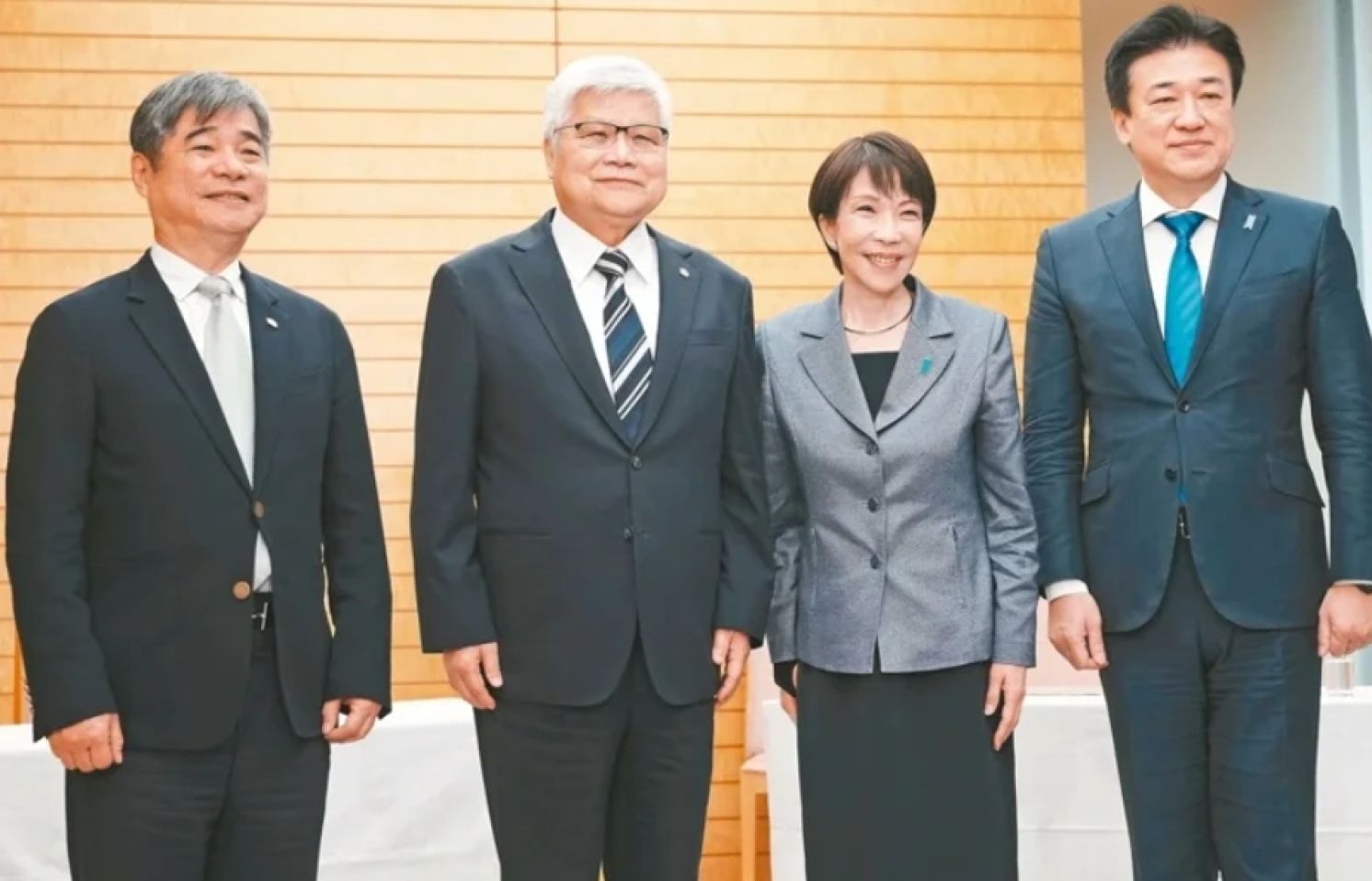
TSMC will hold its first board meeting of the year next week in Kumamoto, Japan, coinciding with Japan’s House of Representatives election on February 8. Yesterday, Chairman C.C. Wei personally visited Japan to meet Prime Minister Sanae Takaichi, delivering in person the “good news” that TSMC will upgrade its second Kumamoto plant to 3-nanometer process technology. At the same time, Wei presented Takaichi with her 2021 publication, in which she emphasized the critical impact of semiconductors on Japan’s economy. Wei’s thorough preparation left the astonished Takaichi nearly “dropping her jaw.”
Recent Japanese media polls show the ruling Liberal Democratic Party (LDP) in a favorable electoral position, with a chance to secure an outright majority, and Takaichi is expected to solidify her position as prime minister. By bringing such a major policy windfall before the election—and carefully showcasing Takaichi’s earlier work—Wei maximized the marginal impact of the Kumamoto 3-nanometer announcement. This was not merely a production-line adjustment to meet customer demand, but a precise strategic deployment by a top-tier executive to maximize corporate interests amid political and economic considerations.
Industry analysts note that upgrading a 6-nanometer plant to 3 nanometers not only alleviates the bottleneck of overflowing 3-nanometer orders at TSMC’s Fab 18B in the Southern Taiwan Science Park, but also strikes directly at Japan’s core strategic needs, making it likely that Takaichi will offer full support. TSMC thus achieves two goals at once: diversifying risk and winning the goodwill of the Japanese government.
Similarly, last year, on the eve of the State of the Union address by President Donald Trump of the United States, Wei appeared alongside Trump at the White House to announce that TSMC’s investment in the United States would expand from $65 billion to $165 billion. Trump unusually praised Wei as a legend, saying it was “a great honor” to share the stage with him. The next day, Trump highlighted this as good news in his address, stating that the United States would build the most powerful chips on Earth, making global headlines.
The spotlight on TSMC’s increased investment not only boosted President Trump’s profile but also helped ensure the continuation of subsidies for TSMC under the CHIPS Act. Trump gained prestige, TSMC preserved its substance, and in this geopolitical chess game, neither side lost ground.
After concluding his U.S. trip, Wei immediately appeared alongside President Lai Ching-te at a press conference to explain that expanded investment in the United States would not affect TSMC’s investment plans in Taiwan. This was also seen as “taking a bullet” for President Lai, easing concerns that TSMC was becoming “American TSMC.” Wei gave face to the Lai administration not only because the government’s National Development Fund is a major shareholder of TSMC, but also because the company’s main advanced-process production lines remain in Taiwan and still require central government support. The “Wei–Lai joint appearance” thus became TSMC’s most pragmatic expression.
Rapid geo-political changes and technological development have placed TSMC at the eye of the storm. Resolving pressures from all sides relies not only on advanced process advantages, but also on how resources are optimally allocated—becoming the key to TSMC’s maneuvering among major powers. Wei’s wise leadership has enabled TSMC to overcome hurdle after hurdle, and the ruling party should learn from TSMC—showing more wisdom and less confrontation—so that the current predicament can be transformed.