DPP Double Standard on Cross-Strait Relations
United Daily News Commentary, June 17, 2026
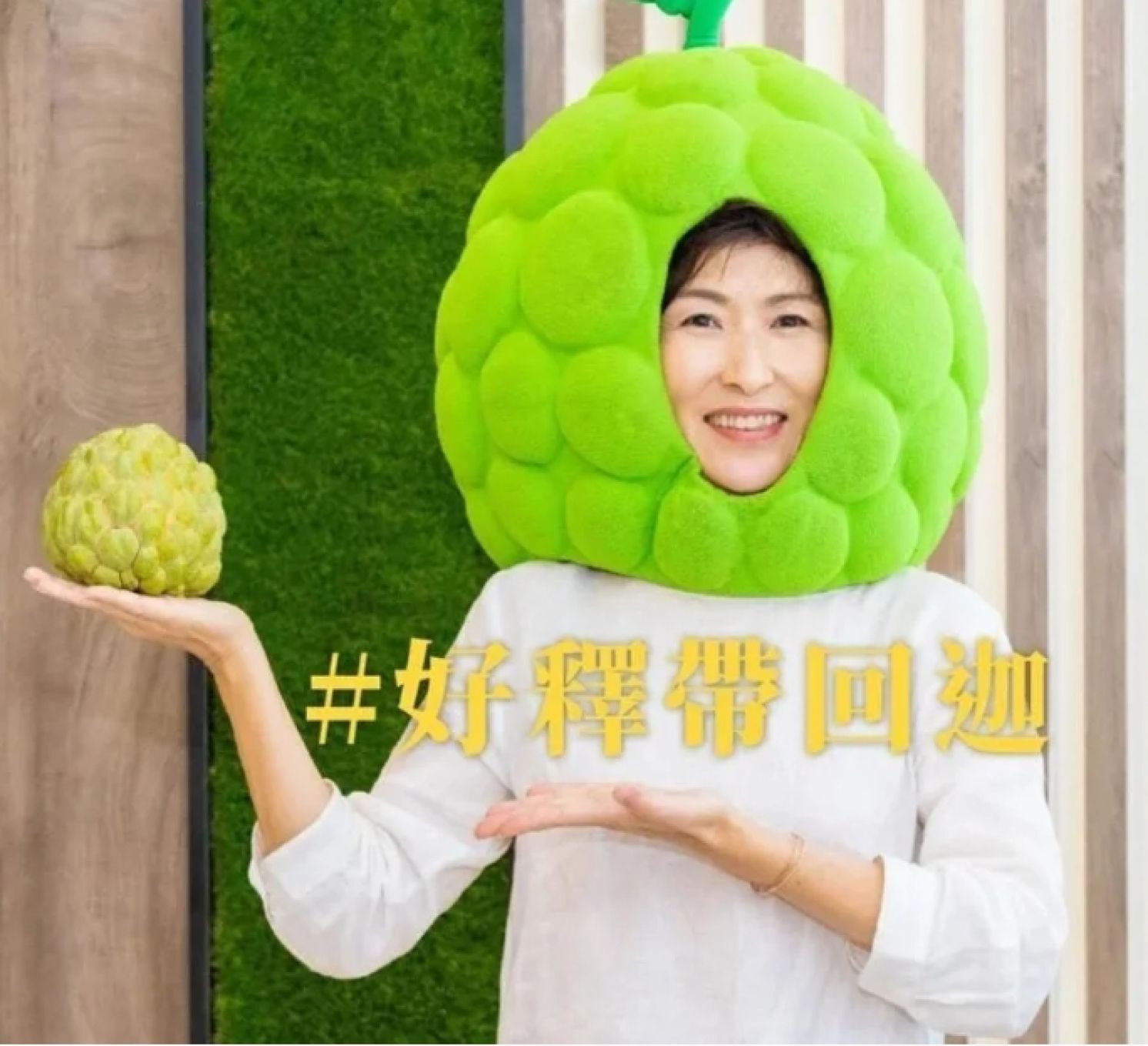
Taitung County Executive Rao Ching-ling participated in the Straits Forum through a pre-recorded video. The Lai administration, changing its previous approach of having anonymous officials leak messages through the media, formally revealed its position. The Ministry of the Interior (MOI) and the Mainland Affairs Council (MAC) stated that they will investigate whether Ms. Rao was involved in “cooperative conduct” in violation of the Act Governing Relations Between the People of the Taiwan Area and the Mainland Area. However, when President Lai Ching-te previously expressed a desire to drink bubble tea with Chinese President Xi Jinping, the ruling Democratic Progressive Party (DPP) described it as “exchange.” Now, Ms. Rao’s efforts to promote Taiwanese fruit is regarded as “United Front work.” Whether an act is “love Taiwan” or “sell out Taiwan” is apparently for the DPP to decide, once again demonstrating the attitude of “the rules apply to others, not to us.”
The MAC and MOI spoke with one voice today, threatening to launch an administrative investigation into Ms. Rao. Minister Chiu Chui-cheng of the MAC added that during Ms. Rao’s most recent trip to the mainland, she changed her itinerary to meet Director Song Tao of the Taiwan Affairs Office of the mainland’s State Council without reporting the change to the National Immigration Agency, MOI, resulting in one recorded violation. This time, according to Article 33-1 of the Act Governing Relations Between the People of the Taiwan Area and the Mainland Area, the MOI will be asked to investigate and take administrative action.
Article 33-1 of the Act provides that unless permitted by each competent authorities concerned, no individual, juristic person, organization, or other institution of the Taiwan Area may engage in any form of cooperative activity with the agencies, institutions, or organizations of the Mainland Area which are political parties, the military, the administration or of any political nature, or which are involved in any political work against Taiwan or affect national security or interests.
There are two key points in this provision: “unless permitted by each competent authorities” and “any form of cooperative activity.” Whether Ms. Rao’s prerecorded promotion of fruit constitutes so-called “cooperative activity” remains debatable. However, the Lai administration insists that she acted without higher-level approval and has a prior record of violations. The MAC and MOI clearly appear prepared to impose penalties. Yet “cooperative activity” risks being expansively interpreted as a blank check, where any cross-strait interaction could be elevated into a violation if the competent authority subjectively deems it inappropriate, effectively turning the provision into an “resist China to protect Taiwan” clause.
In fact, unless the MOI discovers more concrete illegal conduct by Ms. Rao, violations of Article 33-1 mainly result in administrative fines. The measure is “not highly damaging but strongly cautionary,” carrying the implication of “killing a chicken to scare the monkeys” ahead of elections, thereby restricting opposition parties.
At present, however, more than 95 percent of Taitung’s pineapple custard apples are exported to mainland China, Hong Kong, and Macau. Ms. Rao indicated that if the central government cannot quickly help develop alternative markets, it should pragmatically face reality. “If farmers are not allowed to sell, are you cutting off their livelihood?” Following the same logic, does attending Executive Yuan meetings mean full support for the premier, and does attending National Day celebrations mean endorsing all government policies?
The Lai administration may be too detached to hear grassroots voices. Yang Chao-hsin, chairman of the Taitung County Farmers’ Association, noted that since taking office, Ms. Rao has led delegations to mainland China, Japan, the United States, and Singapore on multiple occasions to promote Taitung agricultural products. What she has done is help farmers find opportunities and markets. “If that deserves punishment, it would be truly ridiculous.” Some custard apple farmers also stated that what matters most to them is whether their products can be sold and whether prices remain stable. “No matter which market it is, as long as it helps farmers increase their income, we support it.”
Kuomintang (KMT) Chairwoman Cheng Li-wun’s visit to the mainland and meeting with Mr. Xi resulted in her being splashed with red paint. Ms. Rao’s pre-recorded promotion of Taiwanese fruit at the Straits Forum may likewise face punishment and investigation. Since President Lai cannot dine with Mr. Xi and the DPP cannot meet Mr. Song, they simply label everything with a “red tag.” If cross-strait exchanges become the exclusive privilege of those in power, then when opponents engage in them it is called United Front work and selling out Taiwan, while when they do it themselves it is called exchange and loving Taiwan. This kind of “double-standard patriotism” by the DPP harms not only the livelihoods of Taiwan’s farmers and fishermen, but also erodes the government’s credibility in handling cross-strait affairs.