Ban on Exporting AI Chips to China Counterproductive
United Daily News Editorial, June 11, 2026
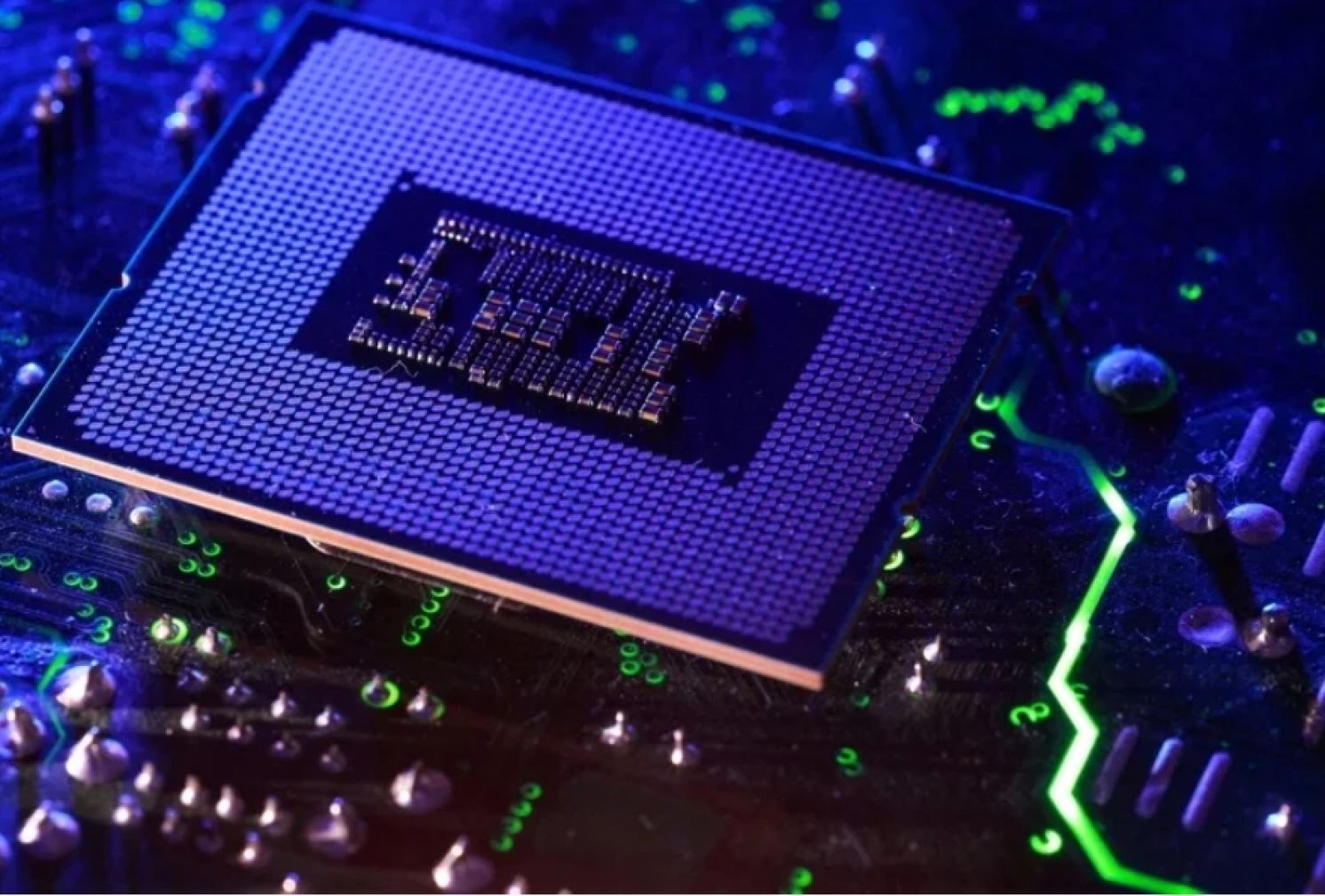
According to a report by Bloomberg, Taiwan’s government is considering imposing stricter export controls on AI chips sold to mainland China. The proposed measures would not only cover specific companies already on export blacklists, such as Huawei, but would extend to all mainland Chinese customers as part of Taiwan’s ongoing trade negotiations with the United States. Such a move would directly affect future shipments by companies including Taiwan Semiconductor Manufacturing Company (TSMC).
This policy should not be pursued. The government should carefully reconsider and reverse course before it is too late. If Taiwan were to impose a comprehensive ban on the sale of AI chips manufactured using process technologies below 7 nanometers to China, and the mainland China were to retaliate by prohibiting rare earth exports to Taiwan, then how would Taiwan respond? Taiwan’s defense and high-tech industries—including semiconductors, precision-guided weapon systems, aerospace components, and electric vehicle motors—have substantial demand for rare earth materials. Taiwan possesses no domestic rare earth resources and relies entirely on imports for rare earth metals and related compounds, particularly those imported directly from the mainland or indirectly through third-country processing. China accounts for more than 70 percent of global rare earth production and controls over 90 percent of the refined rare earth market.
TSMC and other major technology firms primarily obtain refined rare earth materials through specialized suppliers in Europe, the United States, and Japan. Companies such as Japan’s Shin-Etsu Chemical and Mitsui Mining & Smelting import upstream raw materials from mainland China, refine them to high purity standards, and then sell them to Taiwanese customers. If Taiwan were to prohibit AI chip exports to China, and the mainland were to halt rare earth exports to Taiwan while also forbidding third countries from re-exporting such materials to Taiwan under threat of penalties, the consequences would be difficult to imagine. Taiwan currently exports nearly $80 billion per month, with electronics and information and communications technology products accounting for more than 80 percent of total exports. Without reliable access to rare earth materials, the impact could be severe.
According to Bloomberg, restricting AI chip exports to China is being considered as part of U.S.-Taiwan trade negotiations. Yet what began as a trade agreement has evolved into a broader arrangement encompassing political, technological, and strategic considerations. Taiwan has increasingly become a piece on the chessboard of U.S.-China competition. The government must proceed with extreme caution. President Donald Trump is a practitioner of international realism, and Taiwan must guard against being used as a pawn that could ultimately be sacrificed in the rivalry between the world’s two major powers.
Huawei founder Ren Zhengfei once remarked that “chips are made by people.” Although the United States has approved the sale of NVIDIA’s H200 chips to China, the mainland has been slow to import them. In recent years of technological and trade competition between China and the United States, Chinese policymakers and industries have become acutely aware of vulnerabilities created by dependence on foreign technologies. This experience has strengthened efforts toward self-reliance and indigenous innovation, producing breakthroughs in a number of advanced technological fields. China has worked to reduce dependence on U.S. chips and key components through domestic development. Companies such as Huawei believe that China possesses sufficient AI technological capabilities to achieve meaningful progress through sustained investment and innovation. If Taiwan bans AI chip exports to China, then the mainland may accelerate its own development efforts. Should significant breakthroughs occur in the future, long-term cross-strait development could face additional obstacles.
Japan’s repeated assertion that “a Taiwan contingency is a Japan contingency” has generated considerable dissatisfaction in mainland China. The dispute has already expanded into restrictions on rare earth exports to Japan. President Donald Trump has reportedly raised the issue with China and expressed hope that Japan’s access to needed rare earth supplies can be maintained. It is reasonable to expect that if current China-Japan tensions persist, the mainland will continue tightening rather than loosening its control over rare earth exports. Taiwan’s priority should therefore be to diversify sources of rare earth supply and ensure that imports through Japan and other channels remain stable. It should not create additional complications by imposing a ban on AI chip sales to China at this juncture.
The administration of President Lai Ching-te remains firmly committed to a “resist China to protect Taiwan” policy orientation. From cultural exchanges and tourism to business interactions, the government has increasingly adopted restrictive measures toward cross-strait engagement. It is now reportedly preparing to prohibit AI chip exports to mainland China as well. If the mainland responds with economic retaliation, then Taiwan’s high-tech and traditional industries may face significant challenges. If anti-China policies continue to expand without limitation, then a strategy intended to protect Taiwan could ultimately become one that harms Taiwan.
As a smaller actor dealing with a major power, Taiwan must rely on wisdom and strategic judgment. The Lai administration should approach cross-strait issues from the perspective of international strategic competition. At a time when the United States and China have emerged as the world’s two dominant powers, Taiwan’s greatest interest lies in gradually reducing existing divisions and contradictions across the Taiwan Strait, rather than tightening the knots of confrontation and conflict to the point where it loses room to maneuver.