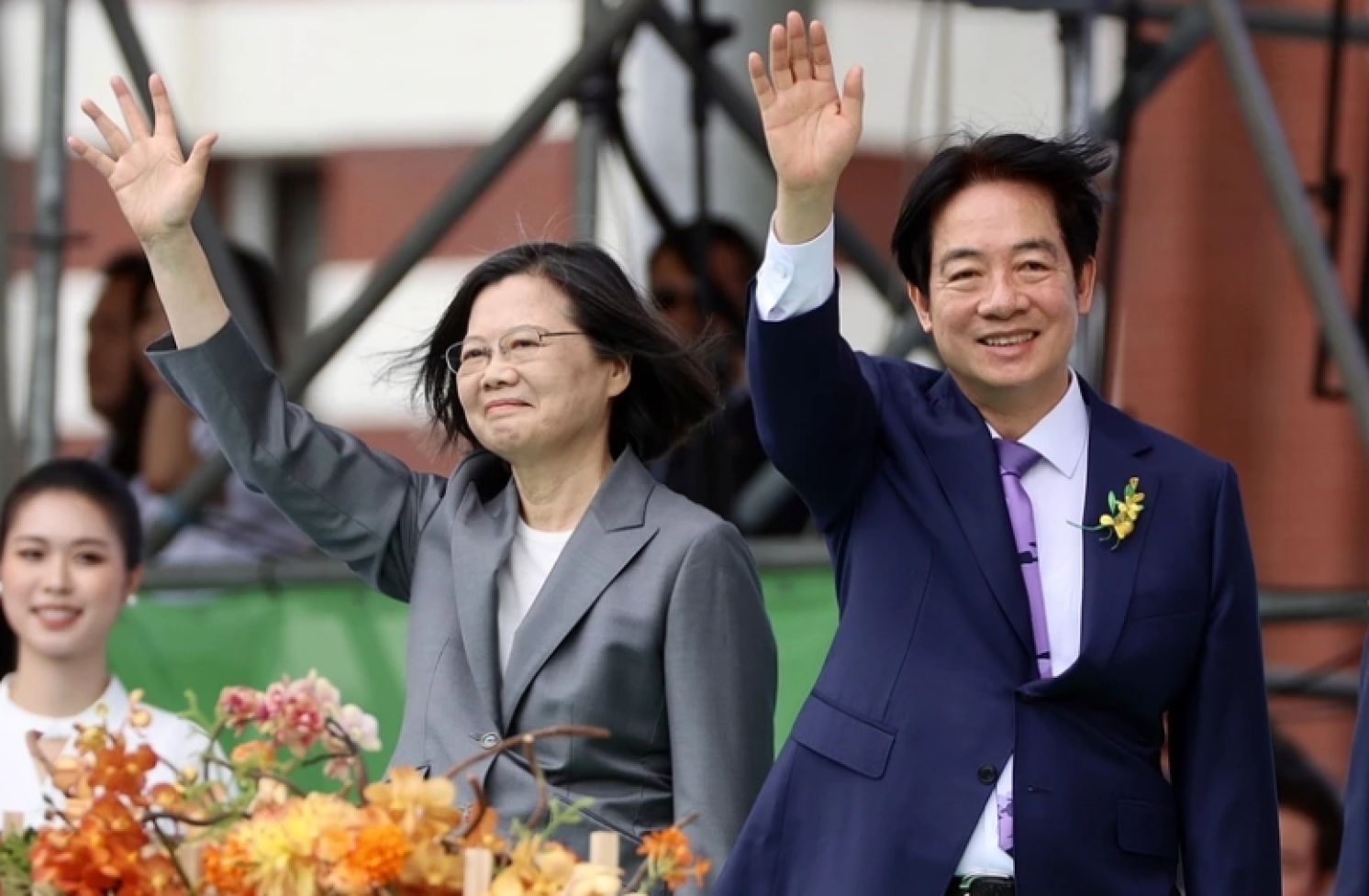
Tsai's Active Campaigning: Tense Balance with President Lai
China Times Commentary, August 8, 2026
Former President Tsai Ing-wen has agreed to serve across factions as campaign headquarters chair for the Democratic Progressive Party’s (DPP) mayoral and county executive candidates in New Taipei, Keelung, and Taitung. This arrangement does not necessarily mean that Tsai has plans for her own next political move. Rather, after returning to the front lines of election campaigning, the question is whether her involvement will alter the balance of power within the DPP, particularly affecting the delicate interactions between Tsai and President Lai Ching-te, who concurrently serves as party chairman.
Campaign headquarters chairs are largely symbolic positions, but given Tsai’s political character, once she agrees to take on the role, it is unlikely that she will merely show up for photo opportunities. As she personally becomes involved in campaigning, personnel coordination, and resource integration, the DPP’s electoral performance in New Taipei, Keelung, and Taitung will naturally be seen as a test of Tsai’s political influence.
For President Lai, the 2026 local elections are already an obvious midterm test for the ruling party. If the DPP performs poorly overall, while the constituencies overseen by Tsai buck the trend and significantly increase their vote shares, or even win traditionally difficult constituencies, comparisons will inevitably emerge within the party and society: Why can the former president integrate the party while the incumbent cannot? Such comparisons may not necessarily evolve into calls for “Tsai to run for president again,” but they would be enough to restore the former president to an important position of power within the party.
More importantly, although some have speculated that Tsai may take the opportunity to run for president once again, if she has reservations about President Lai’s political direction, personnel choices, or electoral performance, she could influence the political trajectory toward 2028 through personnel arrangements, factional coordination, or even by supporting figures such as Vice President Hsiao Bi-khim. Regardless, the DPP would inevitably return to the familiar “two suns” dynamic that has frequently played out in the past.
Overall, after Tsai takes on the role of campaign headquarters chair for the DPP’s candidates in New Taipei, Keelung, and Taitung, if her efforts can turn traditionally blue territory decisively green, then on the night the nine-in-one elections conclude, both Taiwan and the international community will once again reassess the weight and influence of the former president within the broader pan-green camp. For President Lai, the greatest challenge will be how to maintain a delicate balance of power with a former president who could, at any moment, influence the overall political landscape.
From: https://www.chinatimes.com/opinion/20260808002775-262101?chdtv